
Want to go directly to the Product Page…Click Here!
There is one thing every successful garden starts with long before the first tomato ripens or the peppers begin growing…healthy soil.
When we first started building our raised garden beds, we quickly realized that the foundation underneath your plants matters just as much as the plants themselves. You can buy the best seeds, install the prettiest raised beds, and water consistently, but without nutrient-rich soil your garden may struggle to thrive.
After countless hours watching gardening videos, reading forums, and experimenting in our own backyard, we finally found a raised garden bed soil setup that works incredibly well for us. If you are building your first raised garden bed or simply looking to improve your soil this season, here is exactly what we used and why we recommend it.
And yes — many of the products mentioned throughout this post are items we personally use or would recommend for creating a productive raised garden bed setup.
Start with Weed Protection & Drainage
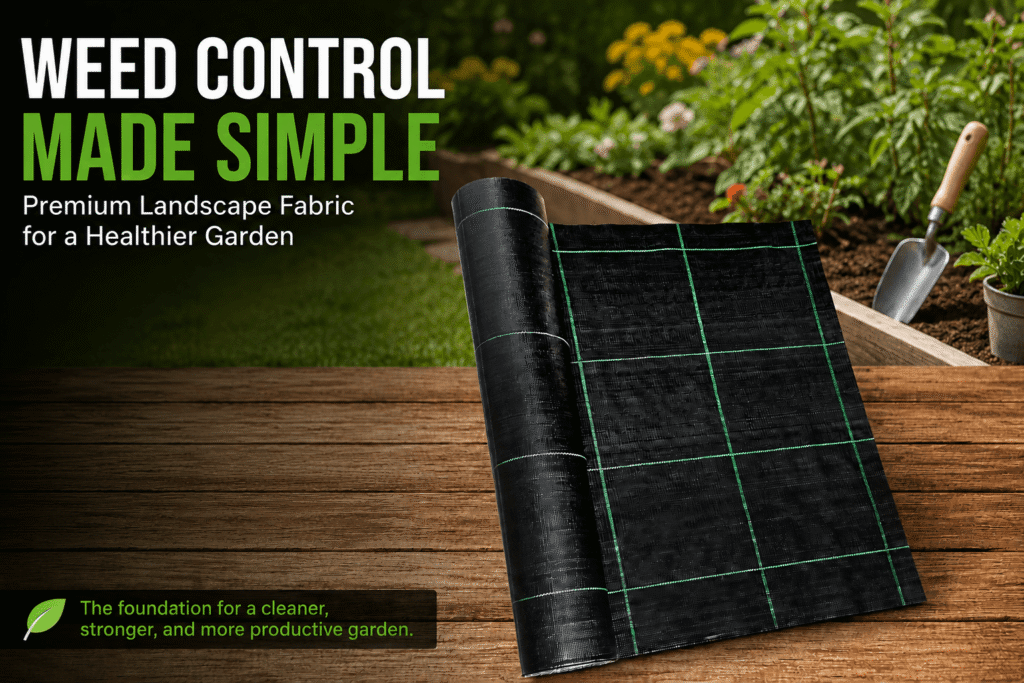
If your raised garden beds sit directly on the ground like ours do, one of the first things you need to think about is weed prevention.
Nobody wants to spend the summer pulling weeds out from underneath tomato plants every weekend.
There are several different methods gardeners recommend online. Some people use cardboard, layers of newspaper, or natural organic materials. Others follow portions of the popular “hugelkultur gardening method”, which layers organic materials beneath the soil to improve drainage and long-term soil health.
For our raised beds, we decided to use a landscape fabric weed barrier.
Now, this can sometimes be controversial in gardening communities because some people worry it may affect drainage. However, we chose a permeable landscape fabric that still allows water to drain properly while significantly reducing weed growth.
Honestly, it has worked extremely well for us.
We have used the same style landscape fabric throughout our flower beds for over 10 years and have found it durable, reliable, and easy to work with. The key is choosing a fabric that is breathable and not overly heavy-duty.
Benefits of Using Landscape Fabric in Raised Garden Beds
- Helps prevent weeds from growing into the raised bed
- Allows water drainage
- Reduces long-term maintenance
- Creates a cleaner gardening environment
- Helps separate native soil from your raised bed soil mixture
If you are someone who wants a lower-maintenance garden setup, this is definitely something worth considering.
Adding Organic Material to Your Raised Garden Bed
Once your weed barrier is installed, the next step is building healthy soil layers.
Many gardening experts recommend adding organic material at the bottom of raised beds before filling them completely with soil. This can include:
- Small branches
- Leaves
- Grass clippings
- Yard waste
- Compostable organic material
These materials slowly break down over time and help enrich the soil naturally.
Unfortunately for us, by the time we built our garden beds, we had already completed most of our spring yard cleanup. We did not have enough organic material available, so we took a slightly different route.
Instead, we started with a high-quality clean topsoil purchased from a local nursery rather than a big-box home improvement store.
This ended up being one of the best decisions we made.
The soil was cleaner, richer, and free from the excessive debris and poor consistency that cheaper bulk soils sometimes contain.
The Soil Additive We Swear By: Black Kow Composted Cow Manure
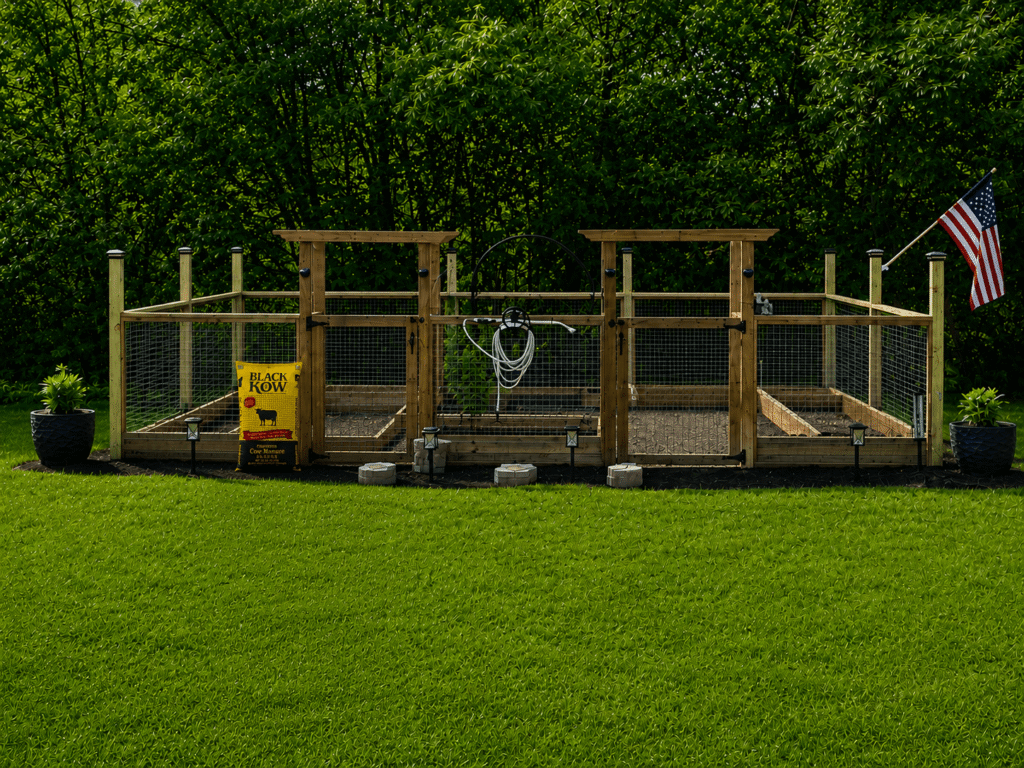
Now let’s talk about one of the most important ingredients in our raised garden bed soil mix…
Manure.
Yes — manure.
One of the most commonly recommended soil additives in gardening videos and gardening communities is composted manure because it is packed with nutrients that plants absolutely love.
The product we personally decided to use was Black Kow Composted Cow Manure.
Why We Added Black Kow Composted Cow Manure to Our Raised Beds
Black Kow Composted Cow Manure helps improve soil in several ways:
- Slowly releases nutrients into the soil
- Encourages healthy plant growth
- Improves soil structure
- Promotes beneficial microorganisms
- Helps retain moisture while still allowing drainage
One of the biggest things we noticed after using it was how much healthier our soil became overall. It was not just feeding the plants — it was improving the entire garden ecosystem.
If you are growing tomatoes, peppers, cucumbers, zucchini, or other heavy-feeding vegetables, adding composted manure can make a huge difference over the course of the season.
Another Must-Have Soil Amendment: Organic Dolomite Lime
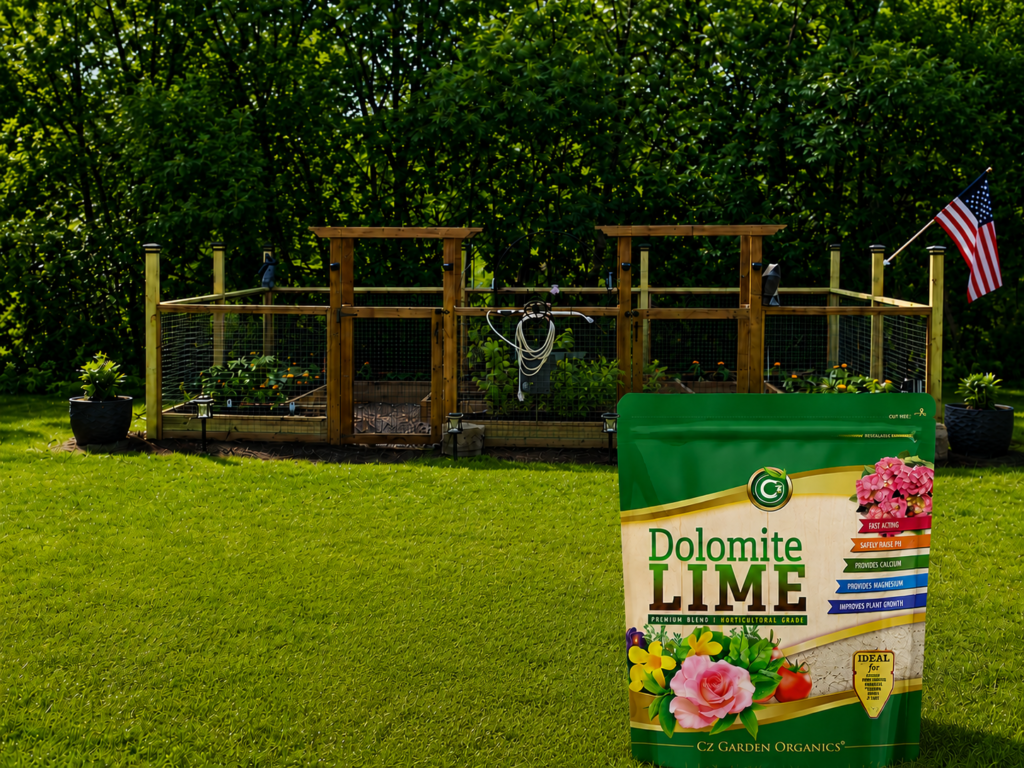
Another additive we incorporated into our raised garden beds was organic dolomite lime.
This is one of those gardening products that many beginner gardeners overlook, but it can play a huge role in overall plant health.
Organic dolomite lime helps supply your soil with:
- Calcium
- Magnesium
These nutrients are especially important for crops like tomatoes and peppers.
Benefits of Organic Dolomite Lime
- Supports stronger plant growth
- Helps improve nutrient absorption
- Assists fertilizer performance
- Helps prevent calcium deficiencies
- Encourages healthier vegetable production
For us, this became especially important because we grow a lot of tomatoes and peppers every summer for homemade salsa, sauces, and fresh garden recipes.
Adding dolomite lime helped create a stronger nutrient balance within the soil and gave our plants a healthier foundation from the start.
Filling the Raised Garden Beds
Once all the components were ready, we filled our raised garden beds about 90% full with topsoil.
After that, we mixed in the recommended amounts of:
Always follow the package instructions when adding soil amendments to avoid overloading your soil with nutrients.
Once everything was mixed together, the raised beds were ready for planting.
And honestly, the results spoke for themselves.
Our plants grew stronger, healthier, and produced significantly better than some of our previous gardening attempts.
Final Garden Thoughts
Creating healthy raised garden bed soil does not need to be overly complicated.
There are endless gardening opinions online about the “perfect” soil recipe, but the reality is that gardening often comes down to finding what works best for your climate, your plants, and your lifestyle.
For us, combining:
created an easy, productive, low-maintenance raised garden bed setup that has worked incredibly well.
If you are starting your own raised garden garden journey, hopefully this helps simplify the process and gives you a strong starting point for building healthy soil from the ground up.
Be sure to check out the recommended gardening products linked throughout our blog as we continue sharing the tools, supplies, and gardening products that have helped us create a thriving backyard garden here in Wisconsin.
Affiliate & Product Disclaimer
Some posts on this website may contain affiliate links. This means we may earn a small commission at no additional cost to you if you make a purchase through these links. These commissions help support the content we create. However, we only share products we personally use, trust, or believe may provide value.
No Guarantees
We make no guarantees about the effectiveness, reliability, or results of any products, services, or recommendations mentioned on this site.




[…] Building the Perfect Raised Garden Bed Foundation: Soil, Additives & Organic Gardening Tips […]
[…] Building the Perfect Raised Garden Bed Foundation: Soil, Additives & Organic Gardening Tips […]
[…] Building the Perfect Raised Garden Bed Foundation: Soil, Additives & Organic Gardening Tips […]
[…] Building the Perfect Raised Garden Bed Foundation: Soil, Additives & Organic Gardening Tips […]