
Want to go directly to the Product Page…Click Here!
There’s a lot that goes into building a successful garden. From developing the perfect layout and learning companion planting, to understanding soil composition, structural supports, and proper watering schedules — gardening can feel like a science experiment at times.
But one of the most important parts of growing a thriving vegetable garden often gets overlooked… pollination.
And honestly, one of the easiest and prettiest ways we helped improve our garden harvest was by creating what I lovingly call our “chaos” garden.
If you’re someone who wants a low-maintenance flower garden that looks beautiful while also helping your vegetable garden thrive, then creating a pollinator garden might be one of the best additions you can make this season.
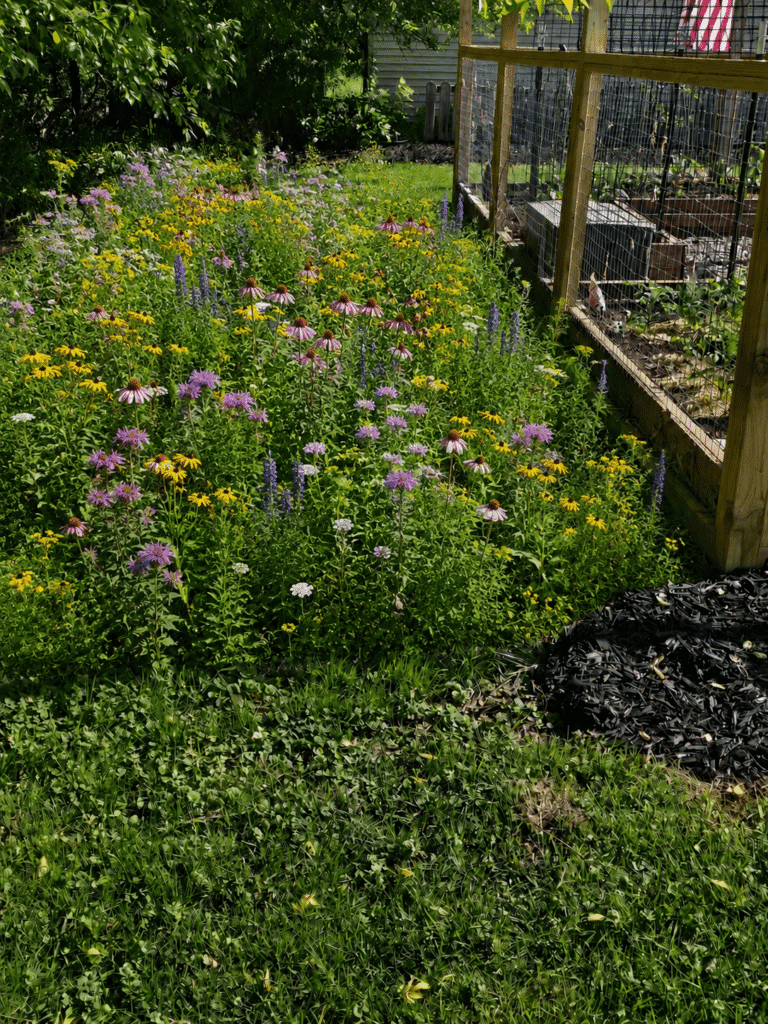
What Is a “Chaos” Garden?
A “chaos” garden is essentially a wildflower-style pollinator garden created by scattering a mix of flower seeds together rather than planting flowers in perfectly organized rows.
And if you know me, you know I love organization… but somehow I absolutely adore the beautiful mess of a chaos garden.
After falling down the gardening side of TikTok, I kept seeing videos showcasing these overflowing flower gardens filled with bees, butterflies, and colorful blooms. At first, I thought they were simply pretty to look at. But after researching more, I realized these gardens actually serve a very important purpose.
Pollinator gardens attract bees and other beneficial pollinators that help fertilize your vegetable plants naturally.
At that point, we were willing to try just about anything to increase our garden yield. My family could probably tell you they weren’t exactly convinced I could keep plants alive considering I struggle enough with houseplants. But I was determined to prove them wrong.
And honestly?
The amount of produce we harvested, canned, cooked, and preserved that year made it clear we must have done something right.
I truly believe our pollinator “chaos” garden played a huge role in that success.
Why Pollinator Gardens Are So Important
Pollinators like bees, butterflies, and hummingbirds are essential for a productive garden.
Without pollination, many fruits and vegetables simply won’t produce properly. Bees transfer pollen from flower to flower, helping fertilize plants for better growth, healthier plants, and larger harvests.
Some of the vegetables that benefit greatly from pollinators include:
- Tomatoes
- Cucumbers
- Squash
- Zucchini
- Peppers
- Strawberries
- Watermelon
- Pumpkins
Adding pollinator flowers near your vegetable garden helps encourage these beneficial visitors to spend more time around your plants.
And let’s be honest… seeing butterflies and bees buzzing through colorful flowers just makes the garden feel alive.
How We Created Our Pollinator “Chaos” Garden
One of the best things about a chaos garden is how incredibly simple it is to create.
Behind our raised garden beds, we had an awkward stretch of space that wasn’t doing much besides serving as a small walkway next to a flower bed I constantly changed because I could never decide what I wanted there.
So instead of overthinking it, we turned the space into a pollinator garden.
Here’s exactly what we did:
Step 1: Prep the Area
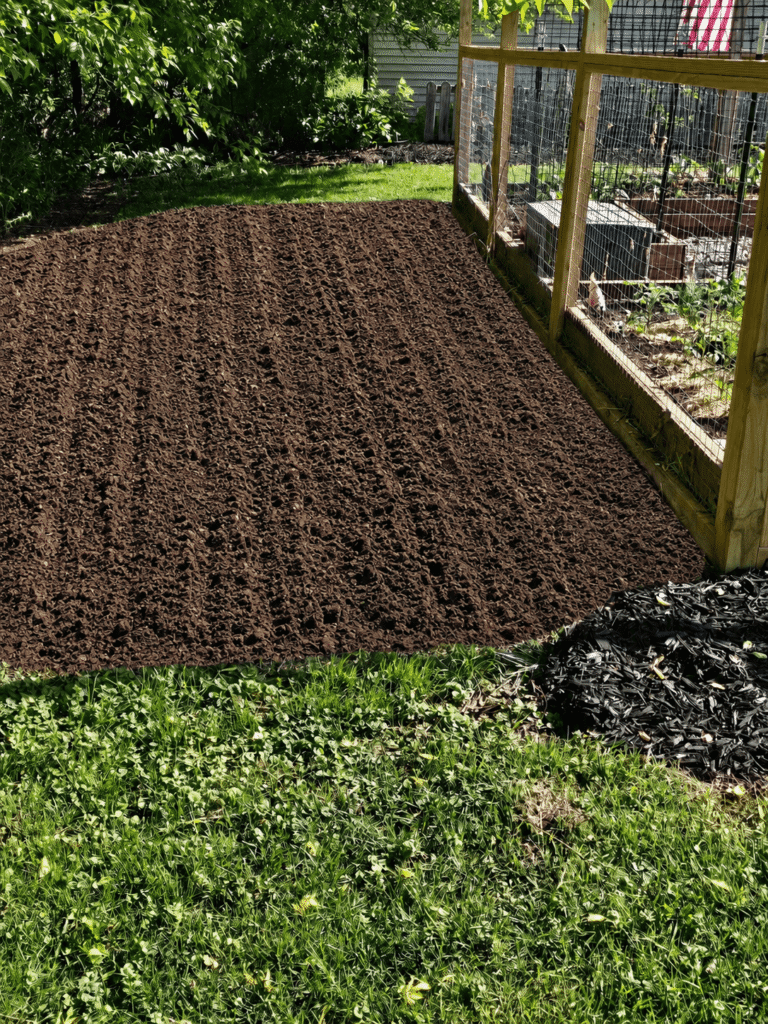
We tilled up the existing soil and removed the weeds that were already growing there.
You don’t need perfect soil conditions for many wildflowers, but loosening the dirt helps the seeds establish more easily.
Check out The Best Cultivator Attachment for Gardening 2026 to make prepping your area easier!
Step 2: Mix Seeds with Compost
We purchased a large variety of pollinator-friendly wildflower seeds and mixed them with compost before scattering them across the area.
The compost helped distribute the seeds more evenly while also giving them a nutrient boost.
These simple garden tools make the process much easier, especially for beginners.
Step 3: Scatter the Seeds
Once the seeds were mixed, we simply spread them across the area by hand.
No perfect rows.
No complicated layout.
Just beautiful chaos.
After scattering the mixture, we lightly raked the area smooth and walked across it somewhat randomly to gently press the seeds into the soil.
This helps prevent birds from easily grabbing all the seeds before they germinate.
Step 4: Water Consistently
One thing you absolutely cannot forget is watering.
Especially in the beginning stages, keeping the area moist is extremely important for seed germination.
Once established, many pollinator flower mixes become surprisingly low maintenance.
Don’t Be Afraid to Use More Seeds
One thing I quickly learned?
If you think you bought enough seeds… you probably didn’t.
The first time I ordered pollinator seeds, I ended up going back and buying four more bags because I realized I wanted fuller coverage.
And honestly, I don’t regret it.
Some seeds won’t germinate.
Some may get eaten by birds.
Some flowers may simply not thrive in certain areas.
Oversaturating slightly often helps create the lush, overflowing look people love in chaos gardens.
Choose Pollinator Flowers That Work in Your Climate
Not every flower thrives in every region, so it’s important to choose pollinator plants suited for your climate and ecoregion.
Since we live in the Midwest, our garden may look completely different from someone gardening in the South or Southwest — and that’s perfectly okay.
Look for seed mixes labeled specifically for your region or USDA hardiness zone.
A regional pollinator seed mix is usually one of the easiest ways to ensure success.
Benefits of a Pollinator Garden
Creating a pollinator garden offers far more benefits than just aesthetics.
Benefits Include:
- Increased vegetable garden yields
- More bees and beneficial insects
- Low-maintenance landscaping
- Improved biodiversity
- Beautiful summer blooms
- Natural support for local ecosystems
- Better companion planting opportunities
- Reduced bare soil and weeds
And honestly, there’s something incredibly relaxing about watching your garden buzzing with life during the summer months.
Simple Ways to Enhance Your Pollinator Garden
Want to take your pollinator garden to the next level?
Consider adding:
- Solar garden lights for evening ambiance
- Decorative garden edging
- Bird baths or shallow water dishes for pollinators
- Garden trellises nearby
- Raised flower beds
- Mulch pathways
- Garden benches or seating areas
These additions can turn your pollinator garden into both a functional and relaxing outdoor retreat.
Bringing Beautiful Chaos to Your Backyard
Sometimes the best gardens aren’t perfectly organized.
Sometimes they’re overflowing, slightly wild, buzzing with bees, and full of life.
Our “chaos” garden became one of the easiest and most rewarding parts of our backyard garden setup. Not only did it create a beautiful backdrop for our raised beds, but I truly believe it helped improve the success of our vegetable garden throughout the season.
If you’re looking for a simple, affordable, and beginner-friendly way to improve your garden this year, adding a pollinator garden may be one of the best decisions you make.
Create a little chaos… and let nature do the rest.
Affiliate & Product Disclaimer
Some posts on this website may contain affiliate links. This means we may earn a small commission at no additional cost to you if you make a purchase through these links. These commissions help support the content we create. However, we only share products we personally use, trust, or believe may provide value.
No Guarantees
We make no guarantees about the effectiveness, reliability, or results of any products, services, or recommendations mentioned on this site.



[…] The Best Pollinator Garden: Creating a Beautiful “Chaos” Garden for Bigger Harvests […]